
Mimosa: The Flower That Smells Like Rice Powder
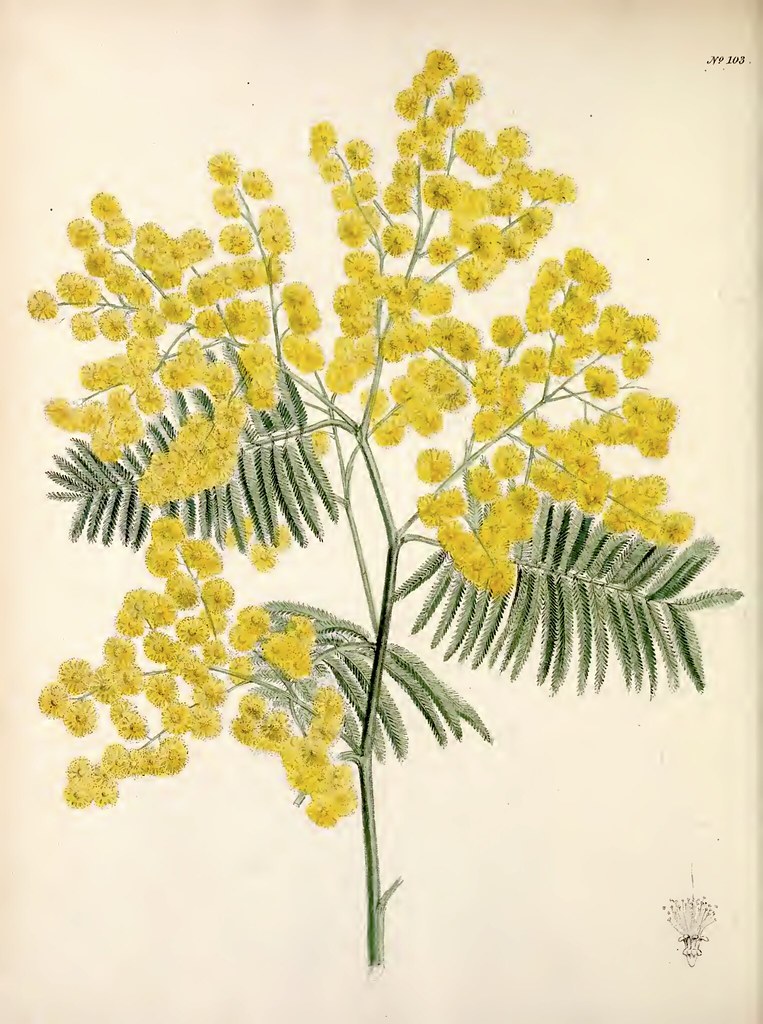
Mimosa blooms in winter. While the rest of the perfumer's garden waits for spring, the mimosa trees along the Riviera turn gold in January, which is your first hint that this flower doesn't follow the usual rules.
The second hint is stranger. Ask perfumers what mimosa smells like and one comparison comes back again and again: rice powder. A flower that smells like a grain. That coincidence turns out to be the key to how our entire fragrance is built, but start with the flower itself.
What mimosa actually smells like
Fresh mimosa under the tree is soft and green and honeyed, with a pollen-dust quality you can almost feel in your nose. It's a gentle smell. Nothing in it wants your attention the way jasmine or tuberose demands it.
The absolute that perfumery extracts from those blossoms travels even further from the loud florals. It's powdery above all else, with warm hay underneath, a honeyed sweetness that never becomes sugary and a faint bitter-almond shadow at the edge. Perfumers describe the total effect as rice powder because that's honestly the nearest thing in common experience: fine, dry, warm, slightly sweet powder.
The unfashionable flower
Mimosa has never had jasmine's fame or rose's empire. It's a supporting actor by temperament, usually dosed quietly to soften and warm a composition rather than headline it. Most people have smelled mimosa in perfume many times without once being told.
That's precisely what makes it valuable to the right composition. A famous flower brings expectations into the bottle with it. Mimosa brings none, so a perfumer can use its powdery warmth as pure texture, shaping how a fragrance feels rather than what it announces.
Why a flower ended up in a grain fragrance
Now the part that makes Prima make sense. Our base holds rice, which reads as starchy powder and warmth. Our heart holds sesame, whose toasted character comes from some of the same aroma chemistry found in cooked rice. And at the top sits mimosa, the flower the whole industry compares to rice powder.
That's three notes from three different worlds, a blossom and a seed and a grain, all speaking the same soft powdery language. The mimosa isn't decoration on top of the composition. It's the base notes' argument, made in floral form, before the base has even arrived. It's why the fragrance moves from top to bottom without a seam. We told the base notes' half of this story in what rice and sesame smell like in perfume.
When mimosa is the wrong flower
If you want a floral that performs, mimosa will disappoint you. It doesn't project, it doesn't dazzle and nobody across a dinner table will ask what it is. White floral lovers raised on jasmine and gardenia often find it too quiet to register as floral at all. It's powder and warmth wearing a flower's name, and you should want exactly that before choosing it.
Meeting it in Prima
In the eau de parfum, mimosa opens the composition alongside a clean musk, so the first thing you smell is that soft powdered warmth with a faint honeyed edge. The musk beside it does related work from a different direction, a pairing we unpacked in what musk actually smells like. Give the opening twenty minutes and the mimosa hands over to sesame and rice so gradually that most people can't say when the flower left.
A winter-blooming flower that smells like powder and hides inside other perfumes: mimosa was never going to be famous. It was always going to be useful. In the right composition, useful is the higher compliment.